


The Super Story will engage in a very significant way the historical materials of the Center for the Impossible, the physical archives at Woodson Research Center in Fondren Library of Rice University that emerged out of the conference series and my own intellectual project, Archives of the Impossible, itself dependent on the ideas and theories originally expressed in Authors of the Impossible (2010).
Amanda Focke is Head of Special Collections of Woodson Research Center. Karin Austin, who was earlier the assistant of John E. Mack of Harvard University, is the Director of the Center for the Impossible. Together, Amanda and Karin lead, among many other projects, our meta-data study of experiencer accounts, a “digital humanities” project at the forefront of both data science and humanistic research at Rice University.
The impossible, as an idea now, encodes a particular approach to phenomena that are not supposed to happen within our present scientific, materialistic, and secular worldviews but nevertheless do all the time. These events are “impossible,” then, only within particular frameworks, not in and of themselves. “They happen,” as I often say.
And they happen to get our attention, to call out our interpretations and make them real: to make the impossible possible. Accordingly, the impossible can be interpreted in very different ways in the history of religions,
in science fiction, film, and television, and by the sciences, military communities, and governments.
The idea of the impossible encouraged here is a both-and nondual approach that insists on both the material or physical and the spiritual or intellectual nature of what is occurring, thereby forcing us out of our either-or habits of thought that too quickly separate the mental and the material. As an expression of the superhumanities, the impossible also encourages conversation and an open-ended inquiry that involves the experiencer along with the physicist, philosopher, historian, or anthropologist. There is no singular conviction or conclusion, but that very conversation is based on the conviction that the impossible is very real and cannot be reduced to or explained by any religious or scientific system. That is the idea.
In over three decades of professional life, I have never seen anything like this. We have had around 400,000 views of our conference proceedings, and we had to shut registration down in 24 hours for the last one, so overwhelming was the immediate response. Amanda Focke speaks directly to this. Indeed, she tells me that, now, over half of the researchers who call, email, and engage in research at the Woodson Research Center are inquiring about the Center for the Impossible. Please sit with that: over half of the research attention is for a single archival collection that represents only about 1% of the university’s total holdings. That is how “big” this thing has become.
The Superhumanities and Television
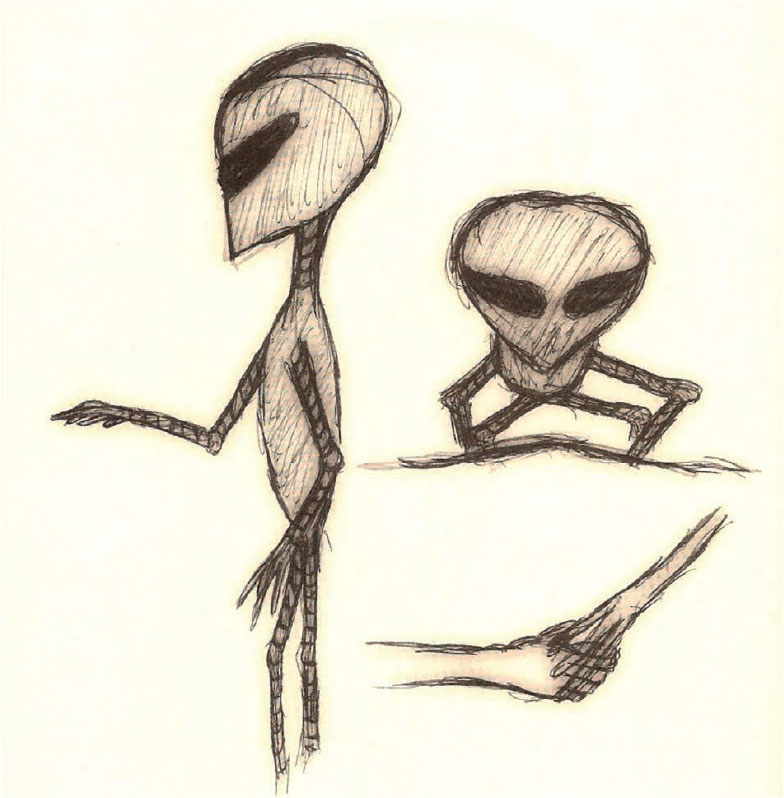 The Center for the Impossible and, even more so, the Archives of the Impossible idea that helped found them, is conceived as a kind of X-Men School for the Gifted that emphasizes the altered states of actual human history. Here is the morphing, mutating nature of the human. Here also is a future-oriented model of higher education that is truly “higher,” a School of the Superhumanities that I have explored in books like Secret Body: The Erotic and the Esoteric in the History of Religions (2017) and, more fully, The Superhumanities: Historical Precedents, Moral Objections, New Realities (2022).
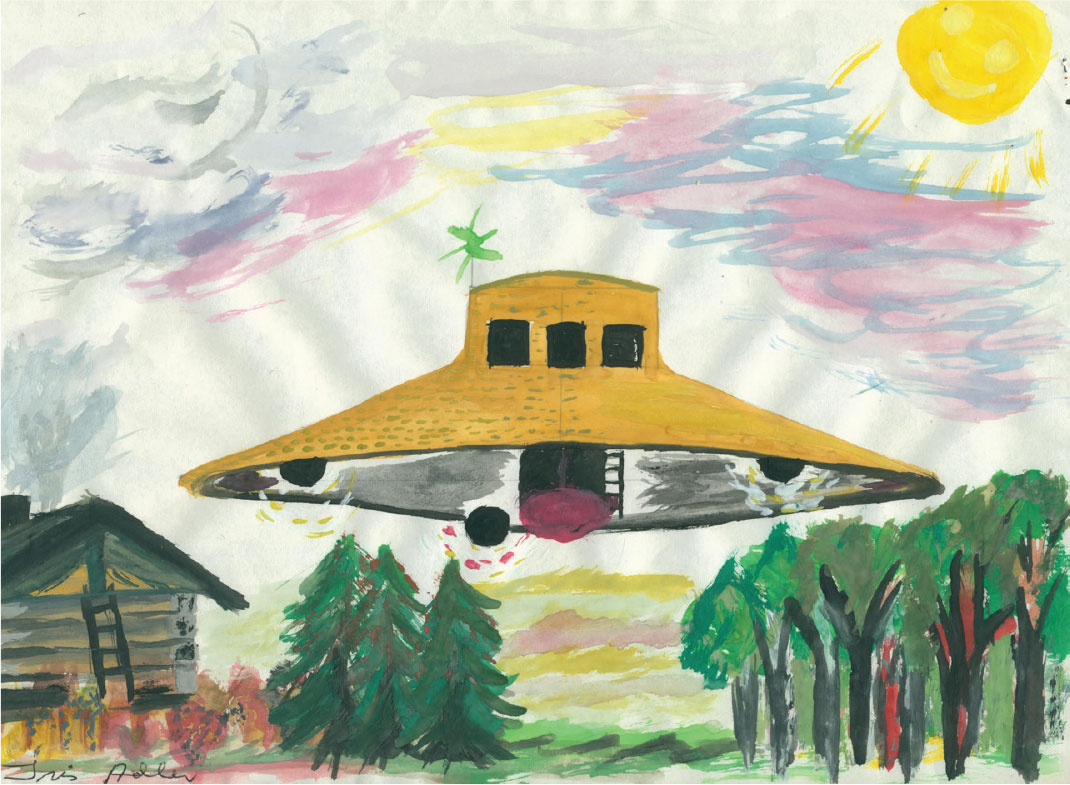 The sci-fi reference of the mutant mythology and the superhuman is not without basis. For example, in the television-streaming space, three different series that feature Rice University and the Archives of the Impossible have recently appeared on various networks: “Beyond: UFOs and the Unknown” (Amazon Prime and YouTube), “UFOs: Investigating the Unexplained” (National Geographic), and “Cosmosis: UFOs and a New Reality” (Amazon Prime and Apple).

